Plantation
Protecting Our Planet
for Future Generations
Plantation Initiative: Where Restoration Takes Root
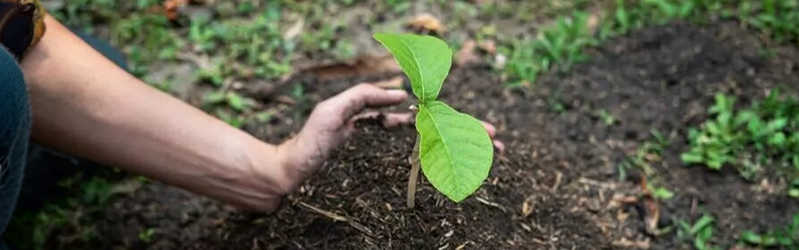
Our environment programs are grounded in a simple belief: the health of our planet depends on the hands that care for it. Through plantation-based restoration, we aim to regenerate land, expand green cover, and revive local ecosystems through community support.
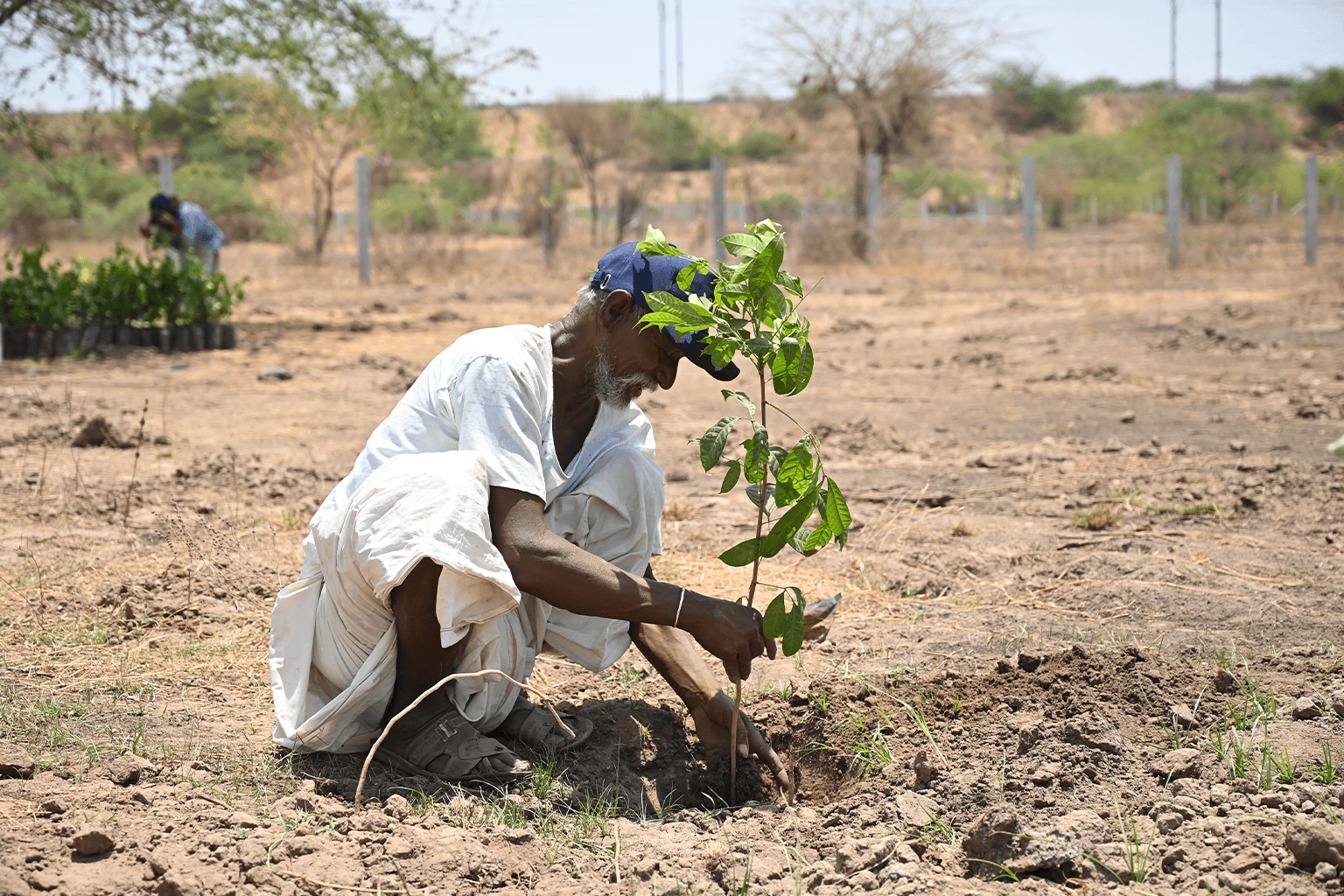
But this work doesn’t happen in isolation. It’s the involvement of communities that transforms planting into lasting impact. From farmers and schoolchildren to women’s groups and panchayats, communities become co-creators—offering land, water, and long-term care. These collective efforts turned barren spaces into green corridors of resilience, where nature and people grow together.
How We Work
Our community-based plantation efforts take shape in three distinct ways:
By integrating plantation into the daily rhythms of rural life—on farmland, schoolyards, and shared commons—this initiative transforms environmental care from a campaign into a community ethic.
Native Trees, Lasting Impact
Planting with Purpose, Growing with Care
Our plantation work is designed for long-term impact, rooted in quality, accountability, and community ownership.

Nurtured Saplings,
Not Seeds
We plant saplings, cultivated in our own nurseries, that are at least 4 feet tall to improve survival and growth.

Community-Led Implementation
We collaborate with panchayats for land access, resource mobilization, and maintenance—building shared responsibility from the start.

Sustained Monitoring & Support
Each sapling is tracked for 3–5 years through community-led eco-clubs, with survival rates regularly monitored so our plants thrive.
Our Impact
Our environmental initiatives have made significant strides in promoting sustainability and conservation:

3,00,000+
Saplings planted

1,830 Plants Distributed
Distributed to 115 villagers

900 Trees in Schools
Enhanced environmental education

200+ Acre Land Bank
Support ongoing plantation
Testimonials
The plantations have not only provided essential fodder for cattle, supporting rural livelihoods, but have also created employment opportunities and natural habitats for indigenous birds and animals. Such initiatives resonate strongly with our district's commitment to environmental sustainability, rural development, and ecological restoration.